
Undergraduate Programs
Bachelor of Architecture (B.Arch.)
NJIT’s Bachelor of Architecture (B.Arch.) is designed to take full advantage of being located in a top research University in the New York area.
Learn MoreBachelor of Science in Architecture (B.S.Arch.)
NJIT’s B.S. Arch. program is a pre-professional, four-year program, leading to accelerated graduate-level degrees including Architecture, Infrastructure Planning, Civil Engineering, and Construction Management.
Learn MoreGraduate & Doctoral Programs
Master of Architecture
NJIT’s Master of Architecture (M.Arch.) is a NAAB accredited and STEM designated program developed for a new generation of leaders in architecture.
Learn MoreMaster of Science in Architecture
NJIT’s M.S.Arch. is a STEM designated program for graduates and professionals to specialize in urbanism, sustainability and/or computation.
Learn MoreMaster of Urban Design
The Master of Urban Design is a 30 credit, interdisciplinary post-professional urban design program that focuses on innovative urban design and planning practice that is informed by in-depth local analysis and global understanding of large-scale forces at work in city-making and urbanization.
Learn MoreGraduate Double Majors
- M.Arch. and Master of Urban Design (MUD)
- M.Arch. and Management - M.S.
- M.Arch. and Civil Engineering - M.S.
- M.Arch. and Master of Business Administration (MBA)
Learn More
Ph.D. in Urban Systems
A joint doctoral program between New Jersey Institute of Technology and Rutgers University - Newark, the program aims to enable graduates to generate research-based knowledge of urban systems and to participate in the development, implementation and evaluation of policy and services for urban populations.
Learn MoreCertificates
NJIT’s certificate programs are designed for graduates and professionals who want to specialize in Sustainable Building Design, Digitally Augmented Architecture, Sustainable Cities and Urban Ecologies, or Real Estate Design and Development.
Learn MoreMeet Some of Our Alumni
We prepare students for a plethora of options beyond traditional architecture and design careers.
learn more
“The professors here have not only helped me grow through my architecture career but also as an individual.”
Katrina Mall

“Though the journey was extremely hard with late nights and long weekends, I’ve learned so much and created life-long relationships with both professors and students.”
RJ Fiorentino
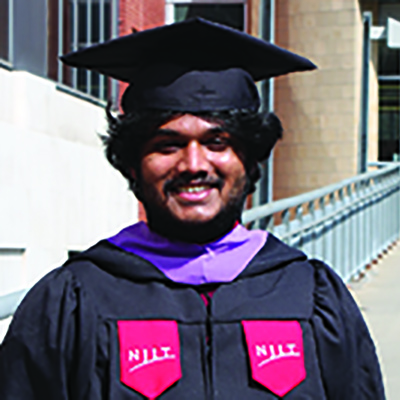
“Hillier College really helped me develop my skills as an architect.”
Arvind Manivannan